KidsHealth NZ
 School Sores In Children
School Sores In Children
School sores (impetigo) are common in tamariki (children). They are easily spread and need treatment. Keep your child home from school, kindergarten or daycare until one day after the start of treatment.
Key points about school sores
- school sores are skin infections caused by bacteria
- school sores spread between tamariki very easily
- try to prevent your child from scratching the sores as much as possible
- wash hands with soap and dry thoroughly before and after touching the skin or sores
- continue medical treatment until all sores are healed
What are school sores?
School sores (impetigo) are skin infections. They are often called 'school sores' because they are common in school-aged tamariki and spread easily.
What causes school sores?
School sores are caused by bacteria. The most common bacteria are Staphylococcus aureus and Streptococcus pyogenes. These bacteria can live on the skin, in the throat or nose, or on other parts of the body without causing a problem. But sometimes, they can start to cause an infection such as school sores.
School sores can happen even when you keep your child's skin clean. It is not a sign of poor parenting. School sores can happen on healthy skin, but they often happen when the skin has already been damaged by a scratch, bite or condition such as eczema or chickenpox.
What are the signs and symptoms?
School sores can be anywhere on the body. But they most often appear on exposed areas such as:
- the face (near the mouth and nose)
- hands
- arms
- legs
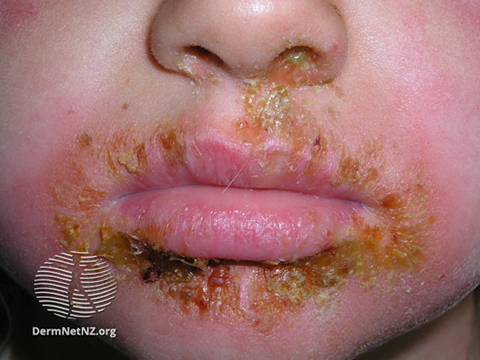
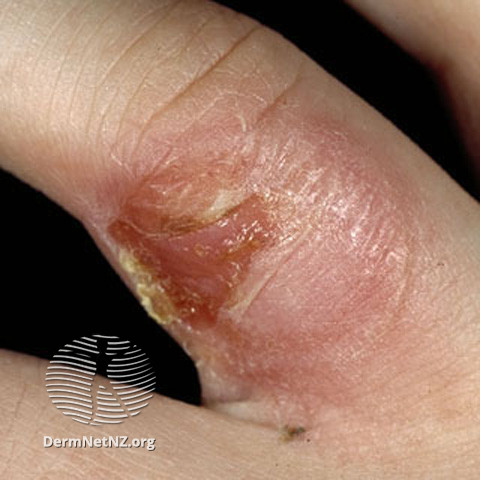
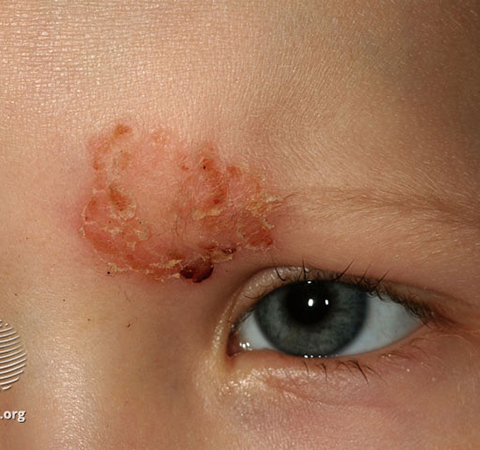
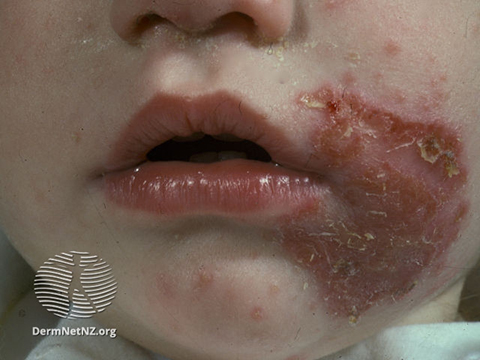
They may start as a blister or a group of blisters. The blister bursts leaving a patch of red, wet skin which weeps or oozes. The sore usually becomes coated with a light brown or yellowish crust. This makes it look like it has been covered with honey.
School sores can grow larger day by day. There can be small spots around the first sore, spreading outwards. School sores can be itchy.
How are school sores spread?
School sores spread easily while they are weeping or oozing.
- the fluid and crusts of the sore contain bacteria
- infection can easily spread to other parts of your child's body when they touch or scratch their sore
- the bacteria can also spread from parts of the body that do not appear to be affected, such as from a runny nose
Spreading to others
Infection can also easily spread to others by:
- touching infected skin and then touching others
- contact with infected clothing, towels, sponges or face-cloths
- touching things that a child with school sores has also touched (such as toys)
School sores spread easily while they are weeping or oozing. Usually, they stop spreading about one day after the start of antibiotic treatment, and healing has begun.
When should I seek help for school sores?
See your doctor as soon as you think your child has school sores.
With early treatment, school sores are not usually a serious infection. But untreated school sores can lead to serious illness.
Go back to a health professional if:
- the sores do not begin to heal within 2 days
- more sores develop
- redness spreads around a sore
- sores have pus in them
- your child is unwell with a fever or you are worried about their symptoms
Sometimes, school sores can lead to other skin infections such as boils or cellulitis.
See the KidsHealth page on boils.
See the KidsHealth back on cellulitis.
What is the treatment for school sores?
Treatment depends on how far the school sores have spread and how bad the infection is. School sores should clear up in a few days with treatment, but your child may need treatment if the sores happen again.
Antiseptic cream
Your child may get an antiseptic cream from the doctor to put on the sores.
Antibiotics
Your child may get antibiotic medicine from your doctor. Your child may need both an antiseptic cream and antibiotics. It's important your child takes their antibiotics until they're finished. Don't stop the antibiotics early, even if the sores have cleared up.
Washing
Gently wash the sores with warm water and a soft cloth. Wash the sores until the crust comes off. Wash away the pus and blood.
Wash and dry hands thoroughly if you or your child touch the sores.
Avoid scratching
Try to prevent your child from scratching their sores as much as possible. Trimming your child's fingernails can help prevent damage and infection from scratching
Cover sores
Your child may need dressings to help their sores heal. A dressing may help prevent the infected fluid and crusts from spreading.
How can I reduce the spread of school sores?
Keep your child home from school, kindergarten or daycare until one day after the start of treatment.
Your child should avoid swimming until all the sores have healed.
Washing your child's clothes, towels and bed linen separately may help. Wash them in hot water and dry them outside (or in a hot dryer).
The following may also reduce the risk of school sores:
- taking a daily bath or shower with soap and water
- practising good hand hygiene - wash hands with soap regularly
- putting all used tissues and dressings in a rubbish bin with a lid
- trying to prevent your child from scratching their sores as much as possible
- trimming your child's fingernails short and keeping them clean
- washing grazes or cuts
See more KidsHealth content on skin infections
This page last reviewed 30 October 2023.
Do you have any feedback for KidsHealth?
If you have any feedback about the KidsHealth website, or have a suggestion for new content, please get in touch with us.
Email us now Print this page