

Key points about foetal anticonvulsant syndrome (FACS) prevention
- foetal anticonvulsant syndrome (FACS) can happen when a baby is exposed to certain medicines during pregnancy
- these include anti-seizure medicines and some medicines for mood, migraines, or chronic pain
- not every baby exposed to these medicines will develop FACS
- some medicines carry a higher risk than others
- planning ahead before a pregnancy happens, helps reduce the risk
- regular check-ins with a health professional helps - check in at least once a year
- don't stop taking medicines on your own, always talk to a health professional first
A animated video about Foetal Anticonvulsant Syndrome (FACS). FACS affects some babies who are exposed to anti-seizure or mood stabilising medicines during pregnancy. Learn more about it and what to do if you take anti-seizure or mood stabilising medicine.
transcribeTranscript
The medicines you take to stop seizures, keep your feelings steady, or help with ongoing pain are really important.
They help you stay well and live life how you want.
But did you know that if you take them while you're pregnant?
Some of these medicines can do seriously bad things to bubs.
That doesn't mean you should ever stop taking them without talking to your doctor.
But it's important you have all the facts.
I know you're probably not even thinking about that stuff right now, but later on, if things start changing your healthcare professional is the best person to help talk through all your options and make a plan that's right for you.
If you need to adjust your meds, it can take time, so it's a good idea to have that kōrero early.
Make sure you check in with your doctor once a year to keep your medicine plan up to date, and if you’ve started getting your period, don't wait!
Get on to it and book a time to see them now.
They're here to help.
What is foetal anticonvulsant syndrome (FACS)?
Foetal anticonvulsant syndrome is also known as FACS. FACS describes a group of physical, developmental, and learning differences in tamariki (children). A baby may develop these differences if exposed to certain medicines during pregnancy. Some medicines can cross the placenta and affect how a baby grows and develops in the womb.
FACS doesn't affect every baby exposed to these medicines. Some pēpi (babies) have no health or development problems. Other pēpi have a range of needs. These needs can be mild or more complex.
Causes of foetal anticonvulsant syndrome
FACS happens when certain medicines affect a baby’s development during pregnancy. These include anti-seizure and mood-stabilising medicines. Health professionals also prescribe these for migraines, chronic pain, or mental health conditions.
The risk depends on several factors:
- the type of medicine
- the dose (the amount taken)
- when it's taken during pregnancy
- whether you're taking more than 1 medicine
Signs and symptoms of foetal anticonvulsant syndrome
Tamariki with FACS can have a wide range of signs and symptoms. Some tamariki have physical differences, while others have developmental or learning difficulties.
A baby born with FACS may have other conditions, such as:
- spina bifida - a birth condition that can cause serious physical and learning challenges
- cleft lip or cleft palate - a gap in the lip or roof of the mouth
- heart defects
Some tamariki with FACS also have developmental differences, such as:
- learning difficulties
- differences in attention or behaviour
- autism-takiwātanga
Every child is different. Some tamariki have only a few mild features, while others need more ongoing support.
Reducing the risk of foetal anticonvulsant syndrome
The best way to reduce the risk of FACS is to plan ahead and have regular reviews with a health professional.
If your child takes an anti-seizure or mood-stabilising medicine, it helps to:
- make sure they understand how the medicine could affect a future pregnancy
- talk with a health professional at least once a year
- ask for clear information about risks and options
This planning matters even if pregnancy feels a long way off.
It’s helpful to start these conversations early. A good time is around the time your child’s periods may begin (around age 10), or before a young person becomes sexually active.
Stopping medicines without advice can cause serious harm. Always keep taking your medicines and talk to a health professional if you have concerns.
Talking to a health professional
You or your child should talk to a health professional if:
- your child takes an anti-seizure or mood-stabilising medicine
- your child is approaching puberty or has started having periods
- you want more information about pregnancy risks in the future
- you don't understand part of the treatment plan
Your health professional can explain the benefits and risks of the medicine. This can help you make informed decisions. Your health professional can also review treatment as life circumstances change.
You can bring a support person to appointments if that helps. If something does not make sense, it's OK to ask questions.
Medicines help people stay well and live well. With the right information and support, whānau (families) can make safe choices for the future.
More information
Foetal Anti-Convulsant Syndrome New Zealand provides support, education and awareness around foetal anticonvulsant syndromes.

Epilepsy New Zealand has information on pregnancy planning and pregnancy and anti-seizure medication.
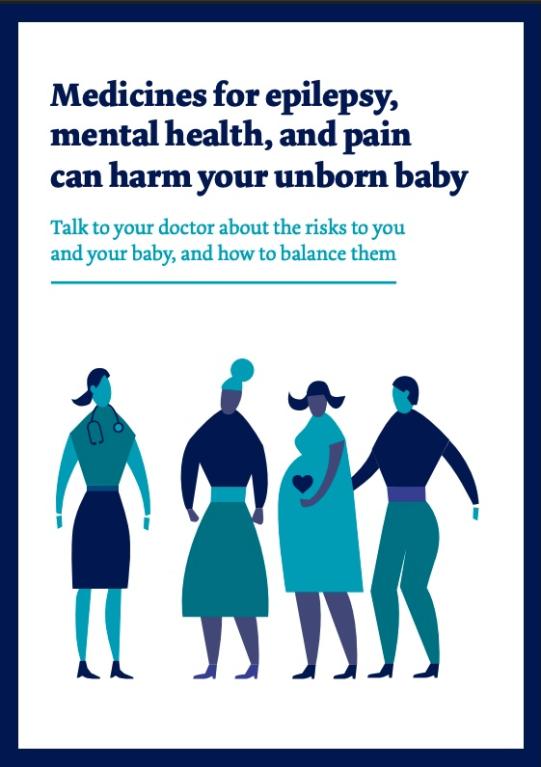
Check out the information booklet called Medicines for epilepsy, mental health, and pain can harm your unborn baby. You can view and download a PDF copy of the booklet on the ACC website.
See the PDF (240 KB) on the ACC website
