

Autism-takiwātanga support and resources by age group
Whānau of tamariki with autism-takiwātanga sometimes find they want to use different support services at different stages of their child's life and development.

For Children 10 To 11 Years Old
For Children 12 To 13 Years Old
For Children 14 To 16 Years Old
The kete represent the different age groups. The guiding principle behind these kete is that of rangatiratanga - to enable whānau to have control over their own health and wellbeing.
Diagnosis of autism-takiwātanga and soon after
Receiving a diagnosis of autism-takiwātanga can lead you and your whānau to experience a range of emotions. This is normal. Remember, there are services to help when you want or need help.
Receiving A Diagnosis For Your Child With Special Needs
When your child is diagnosed with a chronic illness or disability, coping is an ongoing process. Everybody copes in a different way. Ask for help when you need it.
Coping When Your Child Has A Diagnosis Of A Chronic Illness Or Disability
"The diagnosis of autism spectrum disorder (ASD) in tamariki and rangatahi is important for several reasons. Diagnosis allows access to appropriate resources, support and assistance. More importantly, it aids the understanding of the child by those who live with them, teach them and interact with them in their everyday lives."
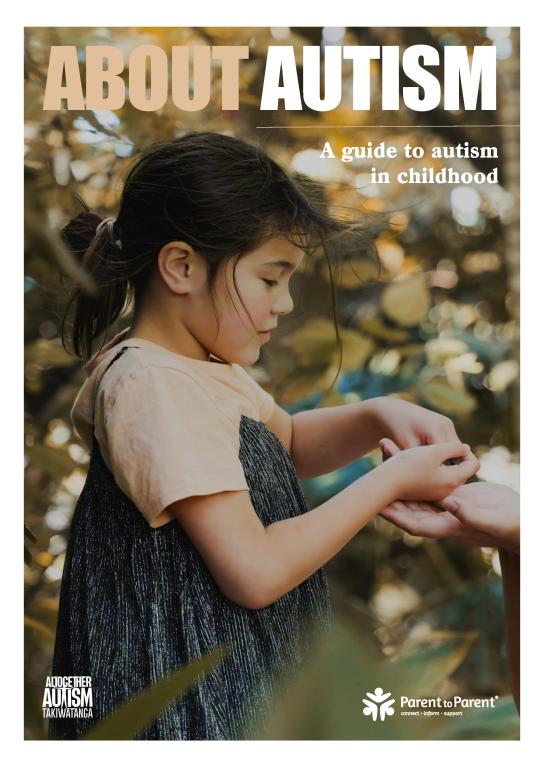
Parent to Parent have compiled this booklet with input from autistic people, parents and professionals to provide you with information about autism and how it can affect children’s experience of the world around them. It has been designed as a practical tool to educate and empower you and your whānau.
"Many parents, when their child is newly diagnosed as autistic, or when they first begin to suspect it, feel stunned and overwhelmed. Penni Winter is an adult on the spectrum and offers her advice."
Autism-takiwātanga support groups
Altogether Autism is a free, nationwide autism information and advisory service.
Taking every step together, our vision is to empower the autistic and wider autism communities.
Pasifika Autism Support Group is a new initiative for Pasifika parents and carers to meet with others who support and share similar experiences, gain new information, and to bring awareness of Autism to the Pacific community.
Other support and help for children with autism-takiwātanga
If your child has autism-takiwātanga, a needs assessment is the first step towards identifying what needs your child may have and what outcomes you want from the process. Service coordination is the process of working with you to explore how best to organise the support you need to help your child be as independent as possible. Support to meet your child's needs may come from whānau and friends, community agencies and resources, or from government-funded services.
Needs Assessment Service Coordination (NASC)
Different kinds of financial support may be available. Talk to your health professional, social worker, or NASC (Needs Assessment Service Coordination) service about which allowances you may be able to receive.
Financial Help When Your Child Has A Disability Or Chronic Condition

Explore supports parents and caregivers of tamariki diagnosed with autism-takiwātanga. For information about their services, see their website or call 0800 605 001.
Autism Service for Teens 10 to 15 year

Kanorau offer meaningful support, information and programmes to enable tāngata whaitakiwātanga and their whānau to lead good lives. Kanorau helps guide Māori families toward the resources and support they need.

Tamariki with additional needs need more help to master toileting skills. It's important to toilet train according to developmental age, not physical age. It's crucial to have a plan, be consistent and patient, give calm responses and praise desired behaviours.
Autism-takiwātanga by age and stage
All parents of young tamariki want a happy and healthy child with every opportunity to reach their full potential. In this life stage, Altogether Autism has articles from whānau and professionals about early signs of autism, getting a diagnosis and what to do next. There is information about the supports and services available for young tamariki on the autism spectrum, the benefits of early intervention and how to plan for transition to primary school.
The early years in school can lay the foundation for future success. In this life stage, Altogether Autism has articles about successfully managing change. There's information on accessing education supports to give tamariki on the autism spectrum the best chance to thrive. There's also information from parents and professionals about tackling tough issues like managing behaviour, anxiety, sensory sensitivities and working with children's strengths.
All rangatahi experience change but for autistic rangatahi this is often particularly challenging. At school there's the academic demands and relationships with other rangatahi can be complex. There is also a constant pressure to think about the future. In this life stage, Altogether Autism has articles and lived experience stories dealing with these issues.
Communication development
See the following KidsHealth page to find out how you can support your pre-school child's communication development. The page includes information about:
- typical communication development - when your child has attention, social interaction, communication, and understanding skills that are within the average range of developmental milestones
- different paths of development - when tamariki might need extra or different help
Communicating & Connecting In Babies, Toddlers & Pre-Schoolers

See the Parent to Parent website for a 2 part video series where siblings from around New Zealand tell their stories of living with a whānau member with a disability. Find out about sibling support groups.
Autism-takiwātanga, education and learning support
Your child may need extra support if they have needs that are affecting their learning or participation in everyday life. See the KidsHealth page for more information.
If your child needs extra support for learning and development, there are qualified, experienced people in early intervention services who can work with you. This support is available from birth through to when your child starts school. See the KidsHealth page for more information.
Learning Support Before Your Child Goes To School
Most tamariki with additional learning needs receive support from their school. But if teachers decide your child needs extra learning support, the Ministry of Education's Learning Support team can help. Staff at your child's school or early childhood education centre will coordinate extra services. See the KidsHealth page for more information.
Learning Support When Your Child Is At School

This resource is for teachers - so they can support the learning and wellbeing of autistic students or tāngata whaitakiwātanga. Parents may also find it useful.
Autism NZ has a number of externally evaluated, New Zealand based education programmes for whānau (and professionals). The programmes are delivered by facilitators who are professionals working in the field of autism or parents who have lived experience, with consultation from autistic adults.
Autism-takiwātanga, development and behaviour
Raising Children is an Australian website that has parenting advice on a range of conditions affecting rangatahi. They have a section on behaviours in tamariki with autism-takiwātanga. It has information and advice for parents and caregivers to help manage different behaviours.
Tamariki and rangatahi with autism-takiwātanga are no more likely to engage in problematic or harmful sexual behaviour than typically developing tamariki and rangatahi. Tamariki and rangatahi with autism-takiwātanga might need help to understand healthy sexual behaviour. The Raising Children website has some great advice for whānau on how they can approach this.
