

Key points about bullying
- bullying can have a serious impact on a child's emotional wellbeing
- listen to your child and take whatever they say seriously
- stay calm
- be clear of the facts and make notes about what happened and when it happened
- encourage your child by saying you want to help and support them
- reassure your child that the bullying is not their fault and they have a right to be safe
What is bullying?
Bullying takes many forms
Bullying is when a child or group of tamariki (children) repeatedly hurt another child.
Bullying can be:
- physical - hitting, kicking, punching
- verbal - name-calling, saying nasty things, threats
- social - leaving them out of activities, spreading rumours, embarrassing them
- cyberbullying - bullying online on the internet, mobile phones and social media
Bullying is repetitive behaviour
Tamariki can be unkind or insensitive at times. However, bullying has specific features that make it more serious and harmful. Bullying is when a bully targets a child again and again. It is not a one-off incident.
Bullying is deliberate
Bullying is usually intentional. This means the person who is bullying knows they are hurting someone. Bullying is aggressive behaviour and can be harmful.
Read more about bullying on the Pink Shirt Day Website. Pink Shirt Day is recognsied annually in Aotearoa to celebrate diversity and promote kindness and inclusiveness. It is aslo recognised globally.
Why bullying is harmful
Some people think bullying is just part of growing up and a way for tamariki to learn to stick up for themselves. But bullying has serious consequences.
Bullying can make tamariki:
- feel lonely
- feel unhappy
- feel frightened
- feel unsafe
- think that there must be something wrong with them
Possible signs of bullying
Signs that might indicate your child is being bullied include:
- tummy aches
- nightmares
- reluctance to go to school
- loss of confidence
- lost contact with friends
- isolating themselves
You might find the pages on depression and anxiety helpful.
What to look out for
Bullying can happen in different ways and at different places. It can happen at a playground, school, work, online or on social media. It can be physical, verbal or social. Sometimes it can be easy to see, such as when there are physical injuries. HoweverBut, bullying can be hard to see when it involves threatening looks or spreading rumours. It is usually hidden from adults.
Tamariki don’t always tell an adult when they are being bullied. It’s important you look out for changes in your child's mood or behaviour. Talk to them and ask them questions about how they are going.
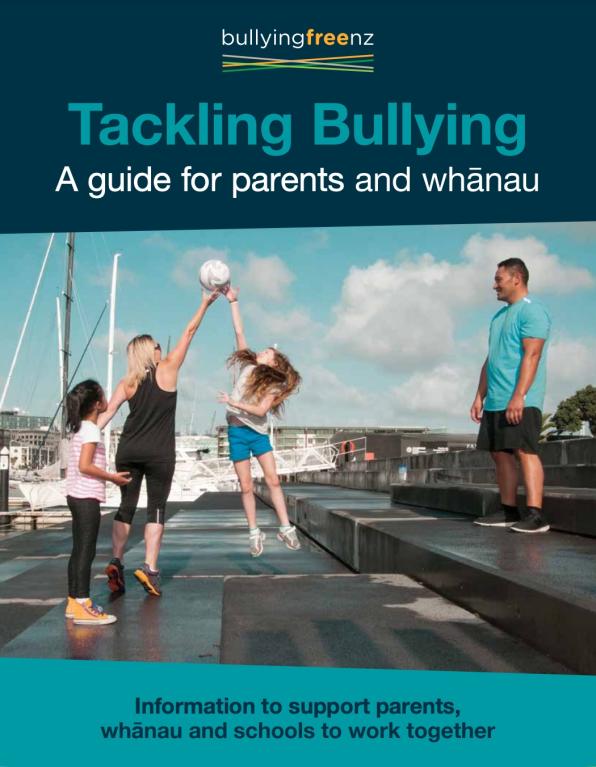
Read Bullying-Free NZ's booklet Tackling Bullying: A guide for parents and whānau.
Why some people get bullied
Bullies are more likely to bully people who seem different from them.
Differences could be based on a person’s:
- race
- sexuality
- gender identity
- ethnicity
- religion
- disabilities and abilities
- weight
- height
- popularity
Online bullying
Online bullying is also called cyber-bullying. It is when people bully others over email, texts, phone calls or on social media.
Cyber bullying may include:
- name-calling
- saying nasty things
- spreading rumours
- making someone feel unsafe
- embarrassing someone
- sharing photos or videos that the person doesn't want shared
- pretending to be someone else
It is also bullying if someone keeps contacting another person when they don’t want them to.
If your child is being bullied online it’s important you keep records of the bullying. This helps if you decide to report it to their school or police. You can report bullying on social media platforms and also block phone numbers. You can report online bullying to Netsafe.
Report online harm to Netsafe - report online, text, online chat or call 0508 638 723.
What to do if your child experiences bullying

Oat the Goat is an interactive, online storybook, in English and te reo Māori. Oat the Goat aims to help 4 to 7 year old tamariki learn skills that will prevent bullying.
Watch a video about Oat the Goat. It aims to help 4 to 7 year old children learn skills that will prevent bullying.
Source: Ministry of Education
Talk with your child
Take whatever your child says seriously. Find out exactly what has been going on. Listen to your child and stay calm. Be clear of the facts and make notes about what happened and when it happened.
Be patient
Tamariki who experience bullying are often frightened to talk about what is happening. Be prepared for your child to deny that there is anything wrong.
Encourage them
Encourage your child by expressing your concern. Tell you you want to help and support them. Reassure your child that the bullying is not their fault and they have a right to be safe. Let them know that talking takes courage and that they have done the right thing by talking about it.
Ask questions
Ask your child what they want to do about it and how you can help. Reassure them that you can work together to solve this problem. An important part of your response is to avoid jumping in to solve the problem. While it is natural to want to protect your child, a better option is to help them to find their own solution. This helps them feel they have some power in the situation.
Keep talking to your child about what's happening and encourage them to speak to an adult they trust. Tell them to keep on asking for help if the bullying doesn't stop. Regularly check in with your child to see how they are doing. Be prepared to step in if you feel the bullying is severe or ongoing.
Agree on a plan with your child
Having a plan will help your child feel more comfortable and give them confidence. Having a plan helps them know you are taking the bullying seriously. Be mindful that they may not want you to make a fuss and put them in the spotlight.
Together, plan what your child will do if they get bullied again. The most important thing is to let your child know how to get help if bullying happens.
Encourage them to speak to an adult if it happens, and to keep on asking for help if the bullying doesn't stop. Check in regularly with your child to see how they are doing.
If the bullying happens at school, talk to your child’s school. Agree on a plan on how they can support your child and the appropriate action they will take.
Find out more about working with your child’s school - check the Bullying-Free NZ website.
What to do if your child bullies others
If you find out your child is bullying another child it is important to try to stay calm. Help them understand why it’s wrong and how it might feel for their victim. Tell them they should never bully another child. If they see another child being bullied they should always try to help them by reporting it to an adult or teacher.
If you think your child might be bullying others:
- try to find out why they are behaving in this way
- think about if there are any problems which may be impacting their behaviour
- ask them what might help them stop bullying
- tell them what bullying is and why it’s not acceptable
- talk to them about what is acceptable behaviour
- help your child come up with better ways to respond to situations, such as walking away or asking for help
- check in with them to see how they're going
- praise appropriate behaviour
- talk to their teacher or school about how you can work together
Why some people bully others
There are many reasons why a child might bully another child. One of those reasons may be that they have or are being bullied themselves.
Other reasons include:
- they're unhappy
- they want to feel important or powerful
- they don’t realise their behaviour is hurting others
- they believe being different is a bad thing
Calling a person who bullies a 'bad person' isn’t helpful. Sometimes they need support too.
More information about bullying

The Ministry of Education has a section for parents on bullying. Check out information including what bullying is and how to get support for your child.
Bullying-Free New Zealand has information, research and resources to help schools and communities respond to bullying. The Bullying Prevention Advisory Group set up Bullying-Free New Zealand because we all need to work together to prevent bullying. Visit their website for information about preventing and responding to bullying. Check out their guide for parents and whānau for help tacking bullying.
Visit Bullying-Free New Zealand
Tackling Bullying - A guide for parents and whānau (PDF, 684KB)

NetSafe provides cybersafety and online security education for all New Zealanders. NetSafe's website has information on online safety and security issues. The website has information for children, parents, community groups, schools and counsellors.
Pink Shirt Day is celebrated annually in Aotearoa to celebrate diversity and promote kindness and inclusiveness. It is recognised globally.
Find information for individuals, communities, schools, kura and workplaces on the Pink Shirt Day New Zealand website.
The Child Psychology Service is an Auckland based team of child psychologists. Their website has information about bullying relevant to anyone in New Zealand.

Skylight is a national organisation working to support children, young people and their families who have been affected by change, loss and grief. See their website for information on bullying.

Kia Kaha is an anti-bullying programme developed by New Zealand police. It is taught in schools with support from parents and whānau. Learn more about how parents and whānau can support Kia Kaha. Check out their resources with advice for young people and adults on bullying.
Visit the NZ Police website
Advice for adults (PDF, 164KB)
Advice for young people (PDF, 576KB)
