

There are different ways of expressing gender
All tamariki explore different ways of expressing their gender. Many tamariki don't fit their culture's expectations for boys or girls such as:
- the clothes they wear
- the toys they play with
- how they behave
Tamariki and rangatahi (young people) shouldn't feel limited by expectations around their gender. They should be able to wear the clothes they want and choose the kinds of toys they want to play with.
Allow children to do what feels right for them
Most tamariki are comfortable with their sex assigned at birth. But some are not.
For some tamariki, clothing and play are important ways to express their gender. Everyone's gender is unique. Tamariki need to work out what feels right for them. For some tamariki, gender can be fluid. Be open to wherever your child's gender journey leads.
Listen to your child
If your child says their gender is different from their sex assigned at birth, it's important to listen.
Transgender tamariki are usually insistent, consistent and persistent in their gender. These tamariki may show distress or discomfort with their physical body.
Some tamariki are aware of their gender diversity from an early age. Others may take some time to figure it out.
Children are very aware of disapproval
Tamariki can be very aware of the disapproval of those around them. They may try to hide their feelings about their gender if they sense negative responses.
Sometimes children might need to see a health professional
Younger gender-expansive tamariki, including those who may identify as transgender, don't routinely need to see a health professional.
But you may want to talk to someone about how best to support your child or family member, such as:
- a parent support group
- a peer support worker
- your doctor or nurse
Sometimes, your child may need a referral to a specialist doctor or mental health professional. This is really important if your child is distressed about their gender identity.
Some whānau may wish to know about possible future medical intervention. Medical intervention is only considered once puberty has started. Not all gender diverse rangatahi will want or need medical intervention. Your health professional should be able to give advice and information around the different options available in your area.
Supporting your child
Become familiar with the resources that exist
OutLine NZ has a resource guide for parents on ways to talk to your child about about gender and sexuality. You can check out the guide on their website.
'Be There' is a fantastic resource with lots of helpful tips for whānau. It can help guide whānau on how to support their child. Click on the icons on the website to get all the information.

InsideOUT is an organisation that works with youth, whānau, schools and communities. It aims to make Aotearoa a safer place for all rainbow young people. Check out the range of resources they've developed for schools.
Follow some simple tips
When your child or teen talks to you about their gender, there are some things you can do. These can help support your child or teen as they explore their gender identity.
See the Be There website for groups and organisations that can support your child and whānau.
Resources for takatāpui and whānau

Takatāpui is a traditional Māori term meaning 'intimate companion of the same sex.' It has been reclaimed to embrace all Māori who identify with diverse genders, sexualities and sex characteristics. Check out a resource hub for Takatāpui and their whānau.
Resources for Pasifika young people

Check out the website of the Village Collective. They aim to empower Pasifika youth through healthy relationships, wellbeing and supporting diversity.
See the Village Collective's Rainbow Fale. It's about building supportive and safe environments for Pasifika Rainbow young people.
The journey of parenting a transgender child
Helpful resources
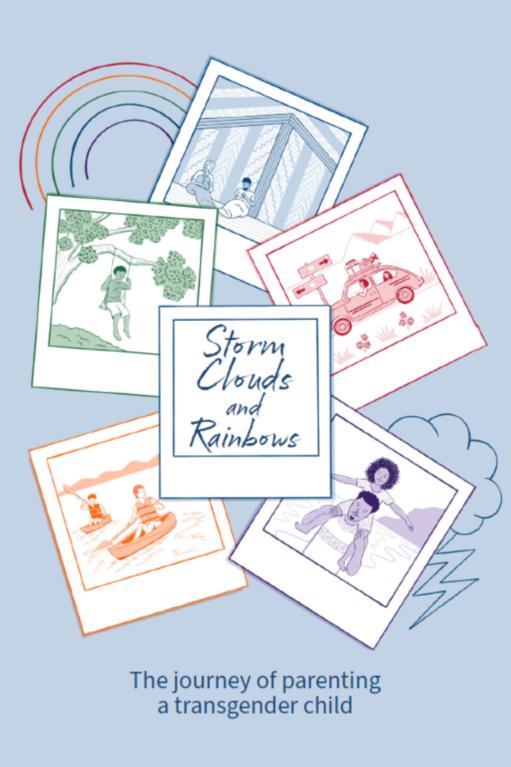
This resource was made with the Rainbow Support Collective in Aotearoa New Zealand. It offers insights from a parent perspective on how best to support a transgender child. It's based on international research and interviews with parents in Aotearoa. You can read and download this resource from the Be There website.
This resource offers insights from a parent perspective on how best to support transgender children. It's based on international research and interviews with parents in Aotearoa.
Transcend Australia helps parents and carers navigate the journey of raising transgender and gender-diverse youth.
Resources for parents of younger children
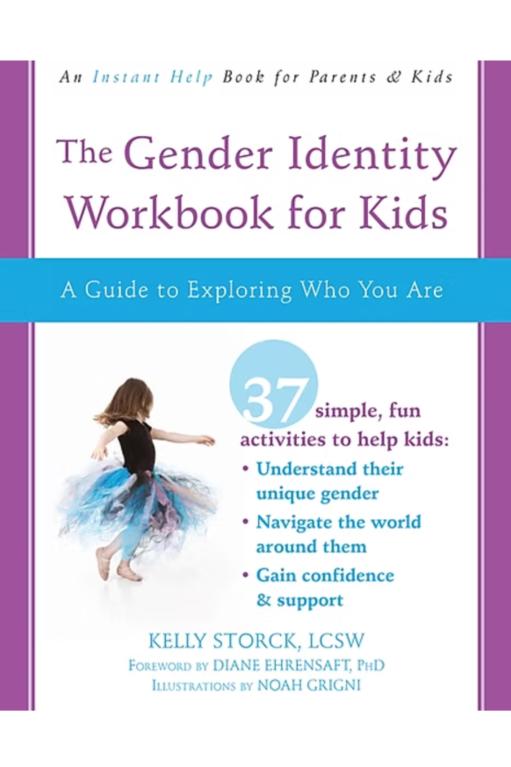
This is a resource that may help parents with children under 12 who are gender exploring or who are trans or nonbinary. It provides helpful tips and language about navigating a social transition.
You can learn more about the book on Kelly Stork's website. You will need to buy this book.
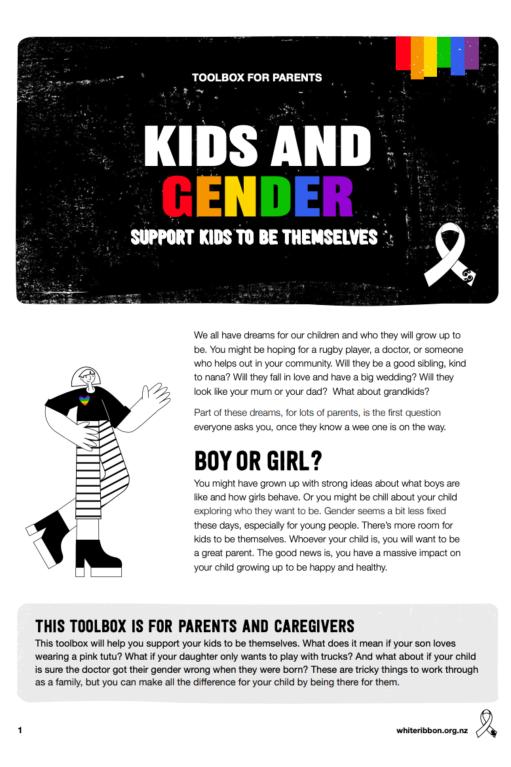
This is a toolbox created by White Ribbon. It can help you support your kids to be themselves. What does it mean if your son loves wearing a pink tutu? What if your daughter only wants to play with trucks? And what about if your child is sure the doctor got their gender wrong when they were born? These are tricky things to work through as a family, but you can make all the difference for your child by being there for them.
Supporting trans and nonbinary young people in our lives
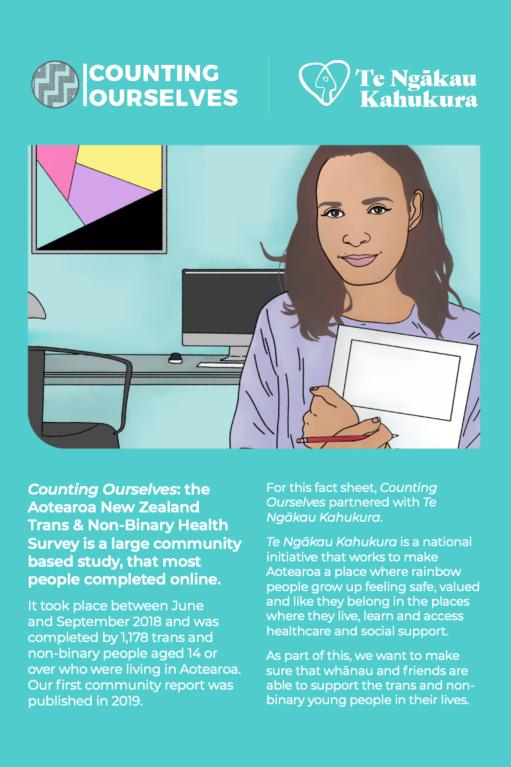
Counting Ourselves is an anonymous health survey. It's designed by and for trans and non-binary people living in Aotearoa New Zealand. Visit their website to find more information and resources.
Extra tips and resources for parents supporting teens
Use your teen's chosen pronoun
One of the most important things is to use the pronoun they choose to describe their identity.
A video where young people talk about the best part of people getting their pronouns right, and they give some tips.
Source: InsideOUT
transcribeTranscript
Source: InsideOut
Support their connections
Support your child's connection to:
- gender diverse peers
- the community
- school diversity groups
- local peer support groups
There are a range of organisations that can help connect your child with peers.

RainbowYOUTH offers one-on-one support workers in some parts of Aotearoa New Zealand. This service is currently in Northland, Auckland, Bay of Plenty, Taranaki and Wellington. The service is for gender diverse, transgender and gender questioning people and their whānau. There is also one-on-one support for sexuality.
Find out about RainbowYOUTH's nationwide gender and sexuality support
Get the best support around mood and any anxiety present
Encourage your child or teen to connect with whānau, school, friends, activities, and culture. A school counsellor can be helpful. For access to further psychological support in your area, see a health professional.
Make use of online tools and support. Check out the following pages.
Make use of online tools and support. Check out the following pages.
Online Tools To Support Mental Wellbeing
DNA-V is a simple way of helping young people learn about the skills they have inside them.
You might like to check some free DNA-V resources. You can use the worksheets and illustrations from their books.
The OutLine support line is 0800 688 5463. It's nationwide, free and confidential and available every evening from 6pm to 9pm.
OutLine is an all-ages rainbow mental health organisation. OutLine provides support to the rainbow community, their friends, whānau, and those questioning.
What may help if your teen is experiencing gender dysphoria?
Gender dysphoria is the distress that many trans and non-binary rangatahi experience. It's due to the mismatch between their gender identity and their sex assigned at birth.
There's no one way to deal with dysphoria and different things work for different people.
Reach out for your own support
Reach out for support if you need to. Connect with other parents.
Check out the RainbowYOUTH website for information on supports available for parents and whānau.
OutLine Aotearoa has a resource guide for parents that includes a listing of support groups and online resources.
Hear young people talk about their experience
Gender Diversity In Children & Young People - Young People's Voices
Gender-affirming medical care
For some rangatahi (young people), feelings about gender identity continue into puberty. Or, they can emerge during puberty. If there is also distress, it's important to see a health professional. You can find out about the medical supports in your area and the best time to access these.
Reversible puberty suppression
Reversible puberty suppression is often known as puberty blockers (GnRH agonists). This is a medicine that can pause the physical changes of puberty.
Puberty blockers are sometimes used as part of gender affirming healthcare for tamariki and rangatahi who experience significant distress about changes in their body during puberty.
They are generally considered by experienced clinicians to to be a safe and reversible medicine. They have been used in gender affirming care for around 20 years. They have been used in other areas of healthcare for even longer. But, like all medicines, they are only used where potential benefits outweigh any potential risks. Rangatahi can take them from early puberty through to later adolescence. The aim is to help ease distress and allow time to fully explore gender health options. If they are stopped, puberty will resume. Not all gender diverse tamariki or rangatahi will need or want to start reversible puberty suppression. It's always a considered decision made in partnership with the young person, whānau and a multidisciplinary healthcare team.
Regulations have been introduced to limit new prescriptions of puberty blockers in Aotearoa New Zealand. There is a legal challenge to these regulations. Until the outcome of that challenge is known, the High Court has confirmed that the regulations are not to be enforced and reversible puberty suppression may be prescribed in the setting of a multidisciplinary care team.
The importance of continuing to access health services for support
It's important that rangatahi and whānau continue to access health services providing gender affirming care. These services can help rangatahi and whānau understand the available medical and non medical interventions that may be beneficial, alongside promoting access to wider supports.
Some rangatahi are keen for medicines to stop periods. Your health professional can give advice around the different options available.
Service providers that can help access gender affirming care include:
- paediatric services
- youth health services
- endocrinologists
- primary health care teams
