

What is an IV line?
An intravenous (IV) line, also called a cannula, is a small, flexible plastic tube placed into a vein. Intravenous means ‘into a vein’.
A health professional uses a needle to put the tube into your child’s vein. They then remove the needle, leaving only the plastic tube in place. The needle does not stay in your child’s body.
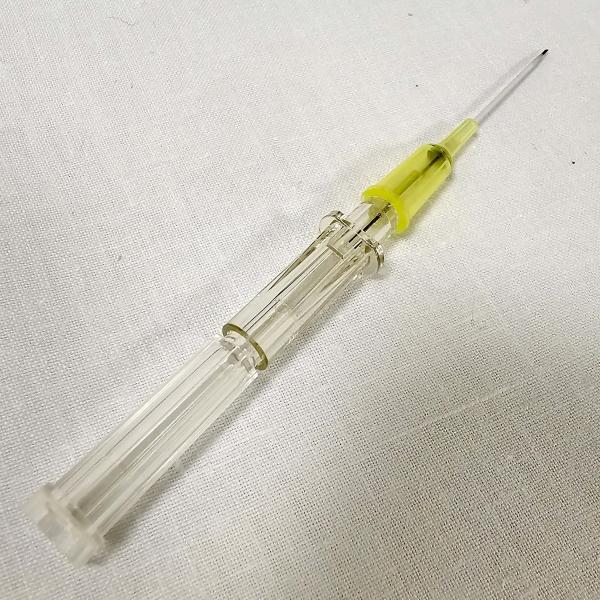
An IV cannula with the needle still attached to the cannula.
Source: KidsHealth
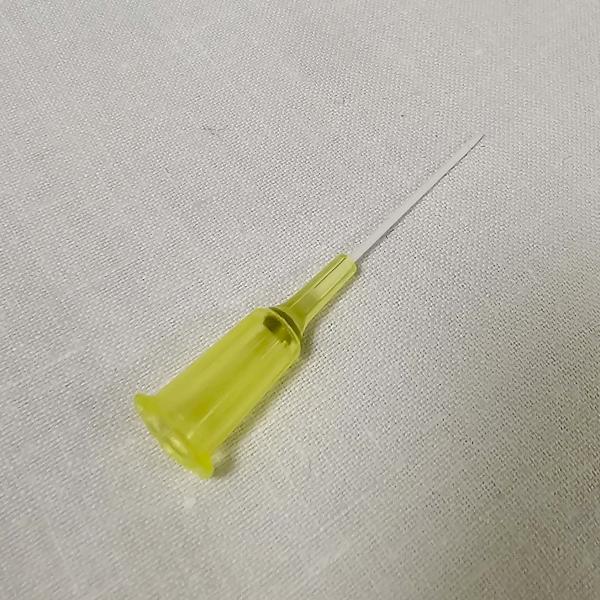
An IV cannula with the needle removed.
Source: KidsHealth
The healthcare team can use the IV line to give your child fluids or medicines. Sometimes, they can also take blood samples from the IV line.
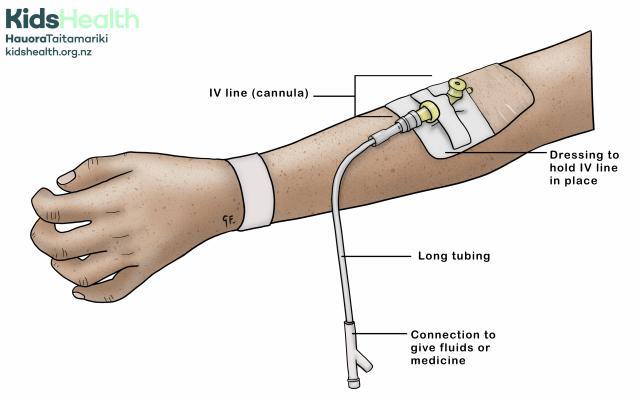
An illustration of an IV line (cannula) in place on the arm.
Source: KidsHealth
transcribeTranscript
The illustration shows an arm with an intravenous (IV) line inserted in the arm.
- A transparent dressing secures the IV line in place.
- A label points to the IV line (cannula), which is a small tube placed into a vein.
- Another label points to the dressing to hold IV line in place, which keeps it secure.
- The long tubing extends from the IV line and connects to a port labelled connection to give fluids or medicine.
- At the wrist is a white wristband.
At the top left of the illustration is the KidsHealth logo with the website: kidshealth.org.nz
Reasons for needing an IV line
Your child may need an IV line to:
- have fluids if they cannot drink enough
- have medicines that need to go directly into their bloodstream
- have medicines if they cannot take them by mouth
- have a blood transfusion
Your child’s healthcare team will explain why your child needs an IV line.
How IV lines are put in
The healthcare team may put numbing cream on your child’s skin before putting in the IV line. Most numbing creams take about 30 to 60 minutes to work.
If your child needs an IV line urgently, there may not be time to put on numbing cream.
A health professional will use a tight band, called a tourniquet, around your child's arm or leg. This helps them find a vein. They will clean the skin before putting in the IV line
Your child needs to keep the arm or leg still. The healthcare team will help your child find a comfortable position. You may be able to hold or cuddle your child.
Once the IV line is in the vein, the health professional will take out the needle, leaving the plastic tube in. Tape and bandages will hold the plastic tube in place.
Your child may have a padded board (splint) to help keep their hand or foot still.
The healthcare team may take blood samples from the IV line when they are putting it in. If they cannot collect enough blood from the IV line, your child may need a separate blood test.

Giving fluids and medicine
The healthcare team will connect a syringe or tubing to the IV line to give your child fluids or medicine.
They may use a pump to control how quickly the fluid or medicine goes in.
The team will regularly check whether your child still needs the IV line. How long it stays in will depend on why your child is having the IV line, and how quickly they get better.
Possible problems with IV lines
IV lines can become blocked, move out of place or become infected. Sometimes, fluid or medicine can leak into the tissue around the vein.
The healthcare team will regularly check your child’s IV line.
Tell the healthcare team straight away if:
- your child has pain, stinging or burning around the IV line
- you notice swelling, redness or a change in skin colour
- fluid is leaking
- the dressing is wet, dirty or loose
- the IV line comes out
If there is a problem, the team may need to remove the IV line. If your child still needs one, they may put a new line in another place.
Supporting your child while they have an IV line put in
Ask the healthcare team how you can help your child feel comfortable.
Before the procedure, explain what will happen using simple, honest words. Tell the team what has helped your child manage procedures before.
You can support your child by:
- staying close and offering a cuddle
- helping distract them with a story, song, toy, game or video
- encouraging slow, gentle breathing if this helps them
- offering small choices, such as which toy to hold or whether they want to watch the procedure
For pēpi (babies), ask the healthcare team whether breastfeeding during the procedure would help.
Medical procedures can be stressful for parents and caregivers too. If you cannot stay, let the team know so they can arrange someone else to support your child.
Afterwards, comfort your child and praise their efforts.
Painful Procedures & Operations - How Can Parents Help?
Removing the IV line
A health professional will gently remove the dressing and slide the plastic tube out. No needle is needed.
They will press on the area with gauze to stop any bleeding and may put on a small dressing. Your child may have a small bruise. It will fade over time.
Acknowledgements
Illustration by Dr Greta File. Property of KidsHealth.
